Infrastructure Costs: The Hidden Price Tag in New Developments
Thinking of buying into a new residential development? Here’s what you need to know before signing on the dotted line.
Buying a new home or a section in a developing area can be an exciting prospect, particularly in parts of Auckland where new subdivisions and housing developments are changing the landscape quickly. Areas such as Drury, Māngere, Tāmaki and the wider north-west are all seeing significant investment and development. But when you are looking at the advertised price of a new property, there can be other costs sitting behind the development that are worth understanding before you sign a Sale and Purchase Agreement.
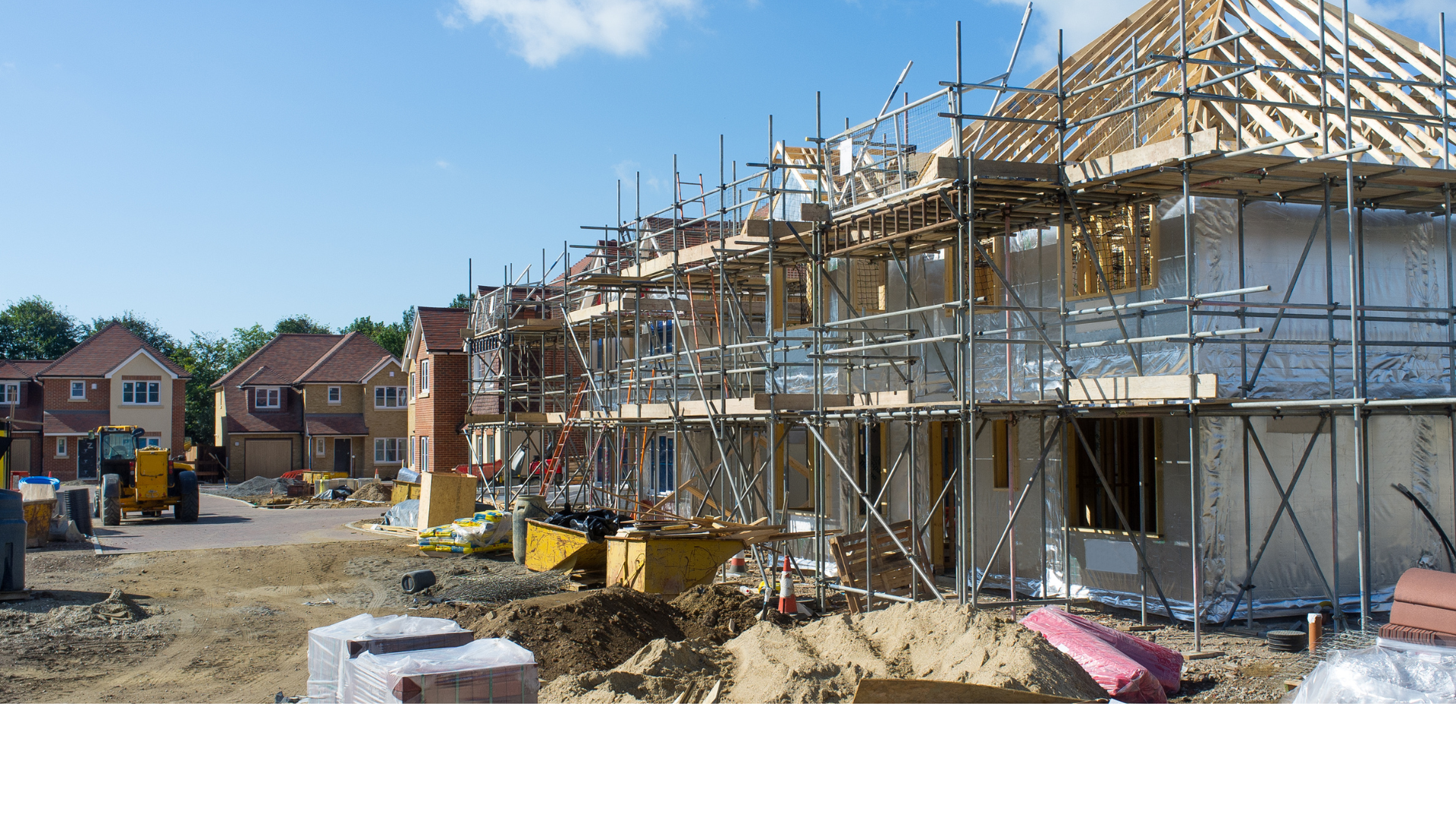
One of these is the cost of providing the infrastructure needed to support new development. Auckland Council uses development contributions to recover part of the cost of infrastructure required as new homes and businesses are built. These contributions help fund things such as roads, footpaths and intersections, parks and community facilities, drainage and stormwater infrastructure. The council's current Development Contributions Policy came into effect on 1 July 2025.
The amounts involved can be substantial, particularly in some of Auckland's major growth areas. Under the 2025 policy, the average development contribution for a household unit equivalent is $64,000 in Drury, $27,000 in Māngere and $71,000 in Tāmaki where there is a stormwater connection. The average contribution in Mt Roskill is $33,000, while the figure across the rest of the Auckland region is $20,000. These are average figures and the actual amount payable can vary depending on the location and the type and size of the development.
Drury is a particularly good example of why buyers need to understand what is happening in the area where they are purchasing. Auckland Council has identified Drury as an investment priority area and has planned significant infrastructure investment to support its expected growth. The council's 2025 policy provides for development contributions to help fund that infrastructure, with the charges reflecting the substantial investment required in growth areas.
This does not necessarily mean that a purchaser will receive a separate bill from Auckland Council for the development contribution. In many cases, the developer will factor its development costs into the price of the land or house. The important point for a purchaser is to understand what the developer has agreed to pay, what has already been paid, and whether the agreement leaves any possibility of additional costs being passed on to the purchaser.
This is something we recommend looking at carefully when reviewing a contract for a new build or house-and-land package. A property may be advertised at a particular price, but the Sale and Purchase Agreement can contain provisions dealing with increases in costs, changes to the development or additional charges that arise before settlement. The wording of the particular agreement is therefore important.
It is also worth remembering that development contributions are only one part of the infrastructure picture. Auckland Council explains that the contributions policy covers infrastructure such as transport, parks, drainage, stormwater and community facilities. Water and wastewater infrastructure is not charged under the development contributions policy and is instead charged directly by Watercare Services Limited or Veolia Water, depending on the service arrangement.
For someone buying an established home, this issue may not be immediately obvious. For someone purchasing a section in a new subdivision, a house-and-land package, or a property in one of Auckland's rapidly expanding areas, it deserves much more attention.
Before signing, ask what development contributions have been paid and whether there are any outstanding amounts. Check the Sale and Purchase Agreement for clauses dealing with development costs, infrastructure charges or increases in the purchase price. It is also sensible to have your lawyer look at the wider development arrangements, particularly where construction has not yet started or settlement is some way into the future.
The cost of infrastructure is ultimately part of the cost of providing new housing. Auckland needs new roads, stormwater systems, parks and community facilities as the population grows, and someone has to pay for that infrastructure. Auckland Council's current policy is designed around the principle that growth should make a fair contribution towards the infrastructure needed to support it.
For a purchaser, the important thing is not to be caught by surprise. The advertised price is only one part of the financial picture when buying into a new development. Understanding the development contributions, infrastructure arrangements and terms of the Sale and Purchase Agreement before you commit can save you from an unpleasant surprise later.
If you are considering buying a new-build property, section or house-and-land package in Auckland, our property lawyers can review the agreement and help you understand what costs and obligations you may be taking on before you sign.
About the Author: Thada Chapman is a Director and Senior Lawyer at Conveyancing Shop Lawyers. Admitted to practise in New Zealand in 1996, Thada is also qualified to practise in South Africa and California, where she passed the California Bar examination on her first attempt. She has extensive experience across a broad range of legal matters, with particular expertise in property law, buying and selling businesses, and franchising. Thada takes a practical, commercially focused approach to helping clients navigate complex legal matters and transactions.
News and articles