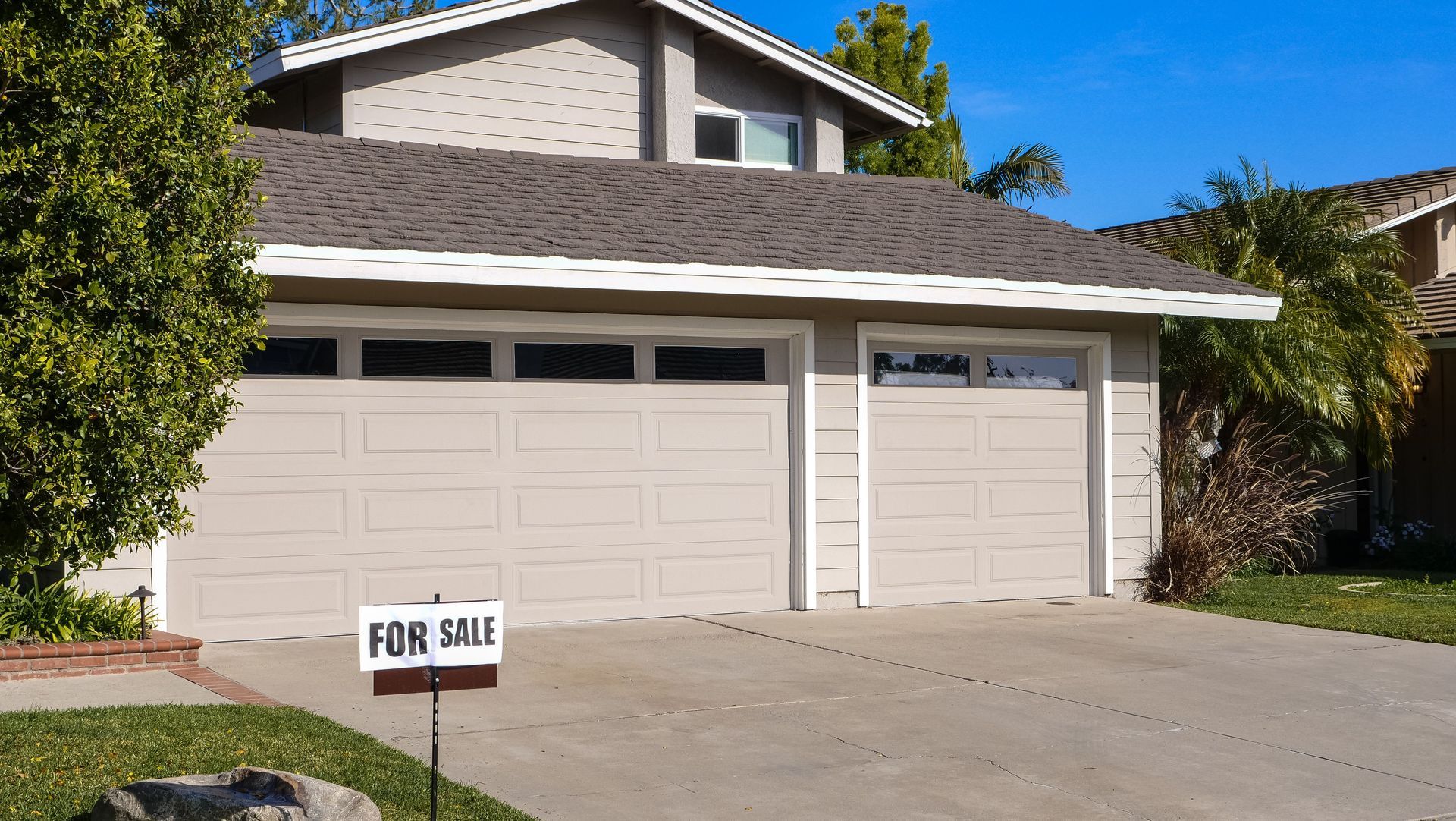
GST and Property - Its more complicated than you think!

Sirpa Gunn • February 28, 2026

GST and Property: It’s More Complicated Than You Think

“It’s GST registered, so we can claim the GST back.” When buying a property, this can sound like a great idea. But what happens when you decide to sell?


You may discover that the GST you claimed when you bought the property can have consequences when you sell it.


GST and property transactions can be surprisingly complicated, so it is important to understand the implications before you sign an agreement.

Headshot of Sirpa Gunn and a quote by her about GST on proper

Plus GST or GST inclusive?

You may see a property advertised as “$1 million plus GST, if any” or “$1 million inclusive of GST.”

These are very different things.

If GST applies, a $1 million price plus GST could mean a total purchase price of $1.15 million.

If the price is GST inclusive, the $1 million already includes the GST.

That difference can be significant, particularly when you are dealing with a high-value property.


“But I claimed the GST when I bought it…”

This is where things can get interesting. If you claimed GST when purchasing a property, you may have to account for GST when you sell it. There are exceptions, including transactions that are zero-rated, so don't assume that because you claimed GST on the way in, you simply pay it back on the way out.


What does zero-rated mean?

Zero-rated does not mean GST doesn't apply. It means the GST rate is 0%. Certain property transactions between GST-registered parties can be zero-rated if specific conditions are met. For example, the buyer generally needs to be GST registered and intend to use the property to make taxable supplies. And what happens if your buyer isn't GST registered? The GST treatment may be completely different. This is why the GST status of the buyer, how the property is being used and the history of the property can all matter.


Before you sign, talk to your accountant

If you are buying or selling a property where GST may be involved, don't leave the GST question until settlement.

Before signing, ask your accountant:

  • Is GST payable on this transaction?
  • Is the price plus GST or GST inclusive?
  • Can I claim GST on the purchase?
  • What happens when I sell?
  • Could the sale be zero-rated?
  • What happens if the buyer isn't GST registered?

Getting the answer before you sign could save you a very expensive surprise later.


One last thing...

GST and property is not always as simple as “claim it when you buy, pay it when you sell.”

There are rules, exceptions and plenty of room for things to get complicated.


Don't make assumptions. Get advice before you sign.


This article is written by Sirpa Gunn for Conveyancing Shop Lawyers and is intended to open your eyes to the potential complexity of GST and property transactions. It is not accounting, tax or legal advice. GST treatment depends on the individual circumstances of each transaction. It is essential to discuss your circumstances with your accountant or tax adviser before entering into a sale and purchase agreement.

News and articles

Lawyers Thada Chapman and Michelle Erasmus can advise you on the leagl aspects fo seelling your hous
By Sirpa Gunn September 7, 2026
Selling your house in New Zealand? Find answers to common questions about sale and purchase agreements, deposits, tax, mortgages, settlement and why you should talk to your lawyer before signing.
By Sirpa Gunn September 6, 2026
He Thought He Didn’t Need a Lawyer...  Meet Dave. Dave had finally found his dream home. Great location, decent price, sunny living room and, according to Dave, “loads of potential.” The real estate agent handed him the sale and purchase agreement. “You should get your lawyer to look over this before you sign,” she said. Dave smiled confidently. “Nah, it’s all pretty standard, isn’t it?” And with that, Dave signed. Fast forward a few days and Dave called his lawyer. “I’ve bought a house!” “That’s great,” said the lawyer. “Send me the agreement.” Dave did. There was a long pause. “Dave... have you actually read this?” “Not exactly. But it’s a house. How complicated can it be?” As it turned out, quite complicated. Problem #1: The settlement date Dave had assumed settlement would be whenever he was ready to move in. Unfortunately, the contract had a specific settlement date. And it was considerably sooner than Dave had expected. His bank wasn't quite ready. His moving company wasn't booked. And his current rental agreement had a few more weeks to run. Suddenly Dave was juggling two sets of keys and wondering whether he could make afford the rent and the moortage. Problem #2: The conditions Dave had signed an unconditional agreement. He had intended to get a building inspection, but thought he'd "sort that out afterwards." The building inspector found a few things that Dave would have preferred to know about before signing. Nothing quite says "dream home" like discovering a roof leak after you've legally committed to buying it. Problem #3: The title The property title contained an easement. Dave had no idea what an easement was. His lawyer explained that part of the property was subject to rights allowing someone else to use the land for a particular purpose. “Is that bad?” “Not necessarily.” “Is it something I would have liked to know about before signing?” “Yes.” “Right.” Problem #4: The chattels Dave thought the outdoor spa was included. The vendor thought the outdoor spa was very much not included. Unfortunately, Dave's assumption wasn't written into the agreement. There was now a spirited discussion about whether a spa could be considered a "fixture", followed by Dave Googling the price of second-hand spas. Problem #5: The LIM and council information Dave had seen the beautiful renovated kitchen and assumed everything was above board. His lawyer suggested checking the council information. There were alterations to the property that needed further investigation. Dave suddenly wished he had spent a little less time imagining where the sofa would go and a little more time checking what had actually been consented. The moral of Dave's story? Dave's biggest mistake wasn't buying the house. It was signing the contract before getting legal advice . His lawyer could have helped him understand the agreement, identify potential issues and make sure appropriate conditions were included before he became legally committed. Fortunately, Dave's lawyer was able to help him work through the issues that arose. But Dave learned an important lesson. A lawyer is much more useful before you sign than after you have signed. Buying a house is exciting. It is also one of the biggest financial commitments most people will ever make. So before you fall in love with the house, the kitchen, the view or the spa... Fall in love with the idea of getting your lawyer to check the contract first. Your future self may thank you. This is a humorous fictional story written by Sirpa Gunn to illustrate the importance of seeking independent legal advice before signing a property sale and purchase agreement. While the situations are fictional, the message is serious: always talk to your lawyer before you sign.
By Sirpa Gunn September 6, 2026
You Set Up Your Trust When You Bought Your Home. When Did You Last Review It? For many New Zealanders, setting up a family trust was simply part of buying a home. The lawyers prepared the documents, the property was transferred into the trust, everyone signed where they needed to, and life moved on. Years later, the trust may still own the family home or other assets, but when was the last time you actually looked at how your trust is operating? A trust is not something that should simply sit in a filing cabinet and be forgotten. Trustees have ongoing responsibilities, and those responsibilities continue for as long as the trust exists.
By Sirpa Gunn July 26, 2026
Don’t Put Off Making a Will None of us particularly likes to think about what happens after we’re gone. It is one of those jobs that is easy to put off because there always seems to be something more immediate to deal with. But making a Will is one of the most important things you can do for the people you leave behind.  Your Will sets out what you want to happen to your assets and who you want to deal with your estate. It can provide clear instructions for your family and help avoid uncertainty, disputes and unnecessary stress at an already difficult time.