
Joint Tenants VS Tenants in Common
Sirpa Gunn • April 24, 2019
Who will inherit your property when you die? If it is owned as joint tenants it may not be who you intended it to go to!

Do you own a property jointly with another person? (be it a husband, wife, business partner, family member or friend) Is the property registered in your personal names as opposed to a trust or company?
If so it is vital that you understand the implications of the ownership structure and what will happen to the property on your death or the death of any co-owners. There are two options: firstly, to own the property as joint tenants; secondly as tenants in common.
1. Joint Tenants:
Where a property is owned as joint tenants all of the owners names are listed on the title in the following format: Jane Sarah Jones and Mathew John Smith. This is the most common form of ownership and banks will issue mortgage documents in this form unless you specifically request otherwise.
If one owner dies the property will pass directly into the name of the other owner(s). In this example if Jane Jones dies the property will pass directly into Mathew Smith’s name. This is all very well if they are a couple that have kids together, but families these days are not always that simple. If Jane Jones had children from a previous relationship they would miss out entirely, even if her will specified otherwise! Or if she had no children she may want her assets to go to her family (parents and siblings) rather than to her current partner as listed on the title.
Putting someones name on the title to help get a mortgage is quite a common occurrence – however few people realize the consequences . An example of this is a lady in her 70’s who wanted to purchase her dream retirement home. The house she chose cost $1,000,000 however she only had $900,000 saved and required a loan for $100,000 to complete the purchase. As she was no longer working the bank was reluctant to give her a mortgage so her eldest son kindly agreed to purchase the property jointly with her. His name went on the title, and he assisted his mother by making mortgage repayments. When she passed away, 15 years later, the entire property went directly to the eldest son. Needless to say her other four children were horrified at loosing out on their inheritance and a long nasty family feud (and legal battle) ensued.
2. Tenants in Common:
With this option the ownership of the property is divided into shares. Should one of the owners pass away, their share in the property will go to their estate and be dealt with according to their wills and?or the laws of intestacy and relationship property.
This method of ownership is usually suited to:
– business partners or friends co-purchasing a property
– couples with children from former relationships that wish to leave a share in the property to their children
– anyone going on the title to give financial assistance for mortgage purposes.
The amount each party contributes to the purchase can be reflected in the shares, so in the case of the son helping his mother he could have had a 1/10th share in the property and his mother a 9/10th share. On her death the mothers share would then be divided equally among her children, as she had no doubt intended.
Get in touch with the Conveyancing Shop Lawyers
for more advice on property ownership options including: Joint Tenants, Tenants in Common and other property ownership options .
News and articles
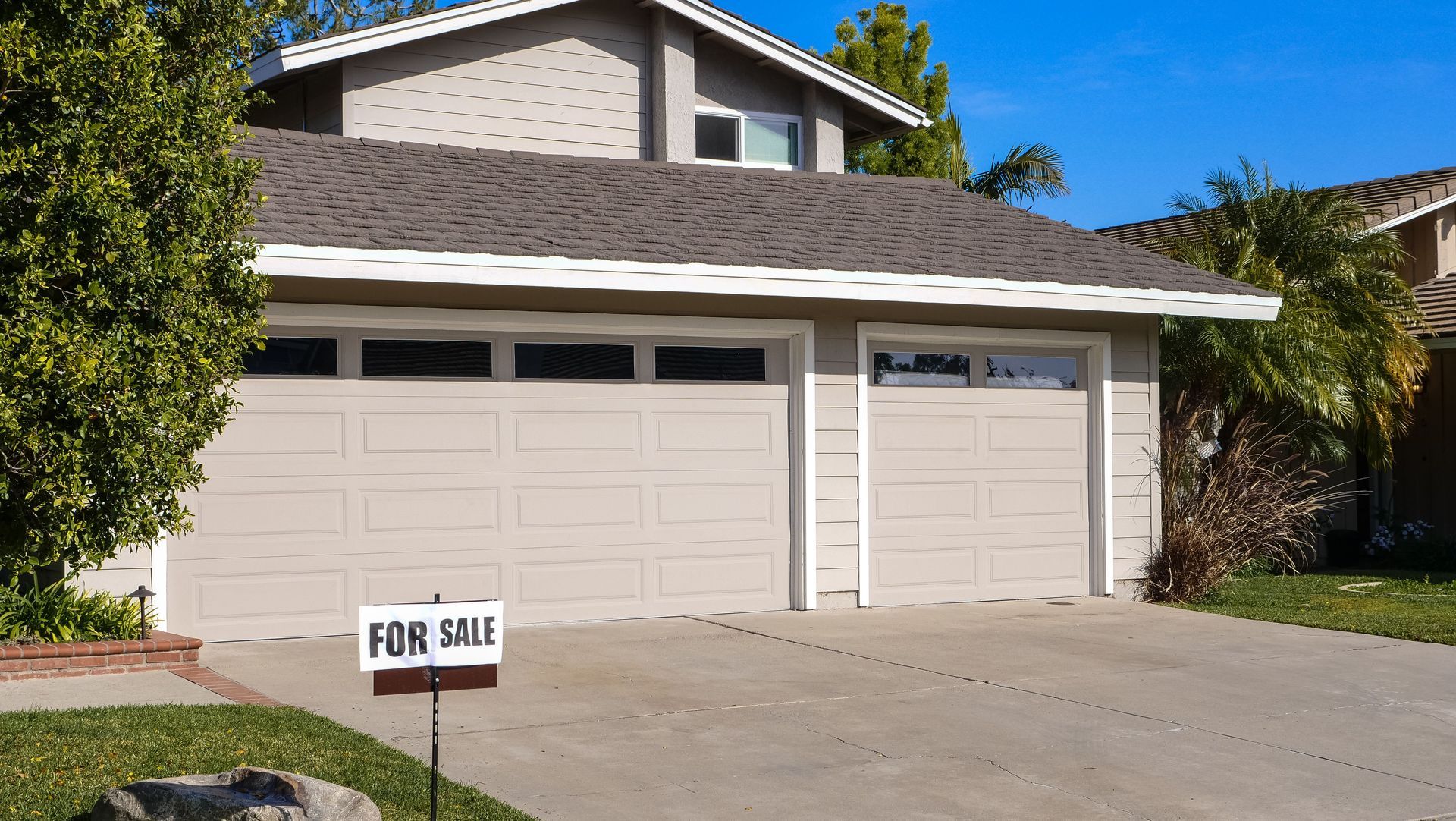
Selling your house in New Zealand? Find answers to common questions about sale and purchase agreements, deposits, tax, mortgages, settlement and why you should talk to your lawyer before signing.

He Thought He Didn’t Need a Lawyer... Meet Dave. Dave had finally found his dream home. Great location, decent price, sunny living room and, according to Dave, “loads of potential.” The real estate agent handed him the sale and purchase agreement. “You should get your lawyer to look over this before you sign,” she said. Dave smiled confidently. “Nah, it’s all pretty standard, isn’t it?” And with that, Dave signed. Fast forward a few days and Dave called his lawyer. “I’ve bought a house!” “That’s great,” said the lawyer. “Send me the agreement.” Dave did. There was a long pause. “Dave... have you actually read this?” “Not exactly. But it’s a house. How complicated can it be?” As it turned out, quite complicated. Problem #1: The settlement date Dave had assumed settlement would be whenever he was ready to move in. Unfortunately, the contract had a specific settlement date. And it was considerably sooner than Dave had expected. His bank wasn't quite ready. His moving company wasn't booked. And his current rental agreement had a few more weeks to run. Suddenly Dave was juggling two sets of keys and wondering whether he could make afford the rent and the moortage. Problem #2: The conditions Dave had signed an unconditional agreement. He had intended to get a building inspection, but thought he'd "sort that out afterwards." The building inspector found a few things that Dave would have preferred to know about before signing. Nothing quite says "dream home" like discovering a roof leak after you've legally committed to buying it. Problem #3: The title The property title contained an easement. Dave had no idea what an easement was. His lawyer explained that part of the property was subject to rights allowing someone else to use the land for a particular purpose. “Is that bad?” “Not necessarily.” “Is it something I would have liked to know about before signing?” “Yes.” “Right.” Problem #4: The chattels Dave thought the outdoor spa was included. The vendor thought the outdoor spa was very much not included. Unfortunately, Dave's assumption wasn't written into the agreement. There was now a spirited discussion about whether a spa could be considered a "fixture", followed by Dave Googling the price of second-hand spas. Problem #5: The LIM and council information Dave had seen the beautiful renovated kitchen and assumed everything was above board. His lawyer suggested checking the council information. There were alterations to the property that needed further investigation. Dave suddenly wished he had spent a little less time imagining where the sofa would go and a little more time checking what had actually been consented. The moral of Dave's story? Dave's biggest mistake wasn't buying the house. It was signing the contract before getting legal advice . His lawyer could have helped him understand the agreement, identify potential issues and make sure appropriate conditions were included before he became legally committed. Fortunately, Dave's lawyer was able to help him work through the issues that arose. But Dave learned an important lesson. A lawyer is much more useful before you sign than after you have signed. Buying a house is exciting. It is also one of the biggest financial commitments most people will ever make. So before you fall in love with the house, the kitchen, the view or the spa... Fall in love with the idea of getting your lawyer to check the contract first. Your future self may thank you. This is a humorous fictional story written by Sirpa Gunn to illustrate the importance of seeking independent legal advice before signing a property sale and purchase agreement. While the situations are fictional, the message is serious: always talk to your lawyer before you sign.

Sirpa Gunn explains why it is important to regularly review your trust affairs.

Don’t Put Off Making a Will None of us particularly likes to think about what happens after we’re gone. It is one of those jobs that is easy to put off because there always seems to be something more immediate to deal with. But making a Will is one of the most important things you can do for the people you leave behind. Your Will sets out what you want to happen to your assets and who you want to deal with your estate. It can provide clear instructions for your family and help avoid uncertainty, disputes and unnecessary stress at an already difficult time.